
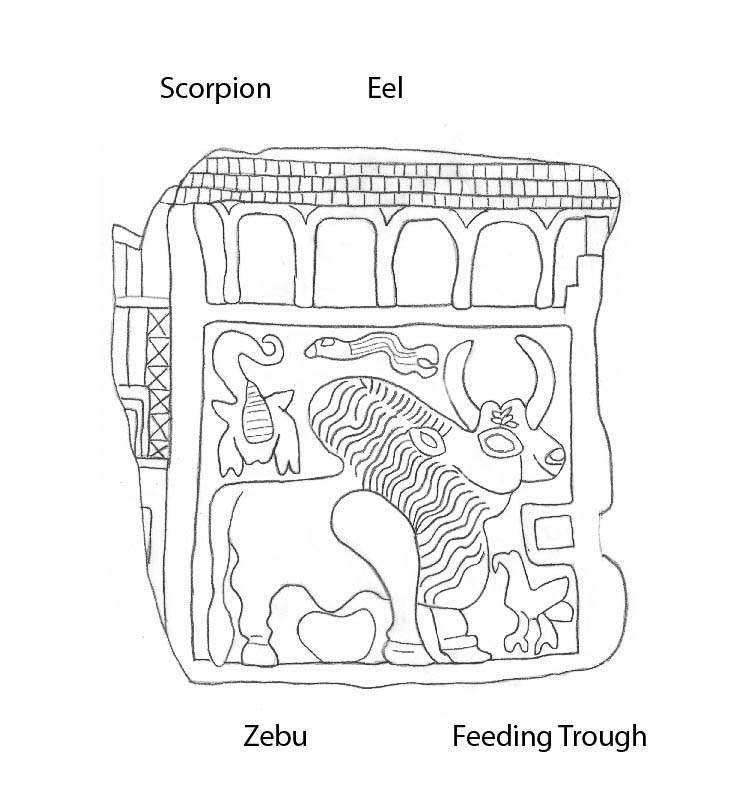
This vase, which displays an Indian Zebu, was found on the island of Tarut, in the Persian Gulf.
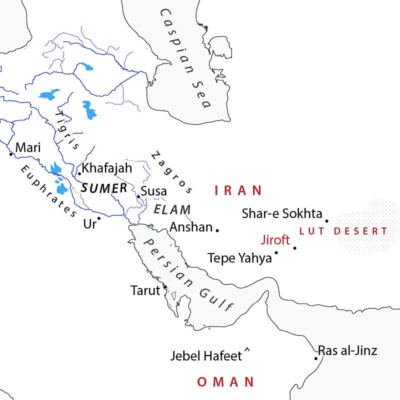
Chlorite is a dark, fine-grained stone, with a greenish hue and a silky texture, more commonly known as “soap-stone.” Vessels carved from chlorite began to be produced in the Early Dynastic II period and became very numerous in the Early Dynastic III. Many examples have been found in the Royal Tombs of Ur and also at sites in the Diyala Valley such as at Khafajah (Tuttul), Tell Agrab, and Tell Asmar (Eshnunna). Outside of Mesopotamia they have been found at sites as far afield as India, Uzbekistan, and northern Afghanistan. However, the primary production center for chlorite seems to have been Shar-e Sokhta and Tepe Yahya, sites located in south-central Iran, near the modern city of Jiroft, where chlorite stone is readily available.1Potts 1989, 139 Due to its broad distribution, the style of vessel is often referred to as “Intercultural Style,” or série ancienne (“old series”) in order to distinguish it from a later style of chlorite vessel, known as série récente (“recent series”).
Style
The Intercultural Style utilized a limited set of distinctive motifs which are easily recognized. The following list is based on the work of Phillip Kohl (1975) who worked at Tepe Yahya and produced the first detailed study of chlorite vessels from Mesopotamia, Iran, and the Persian Gulf.
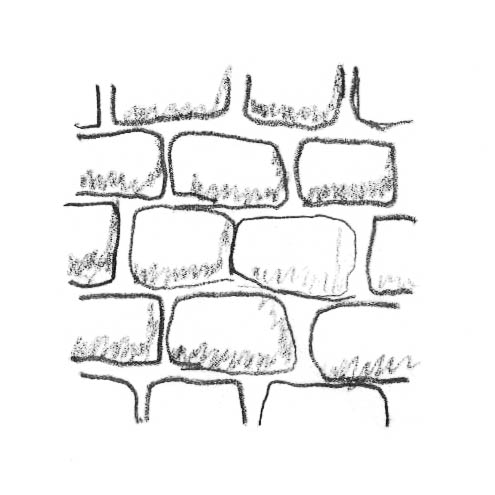
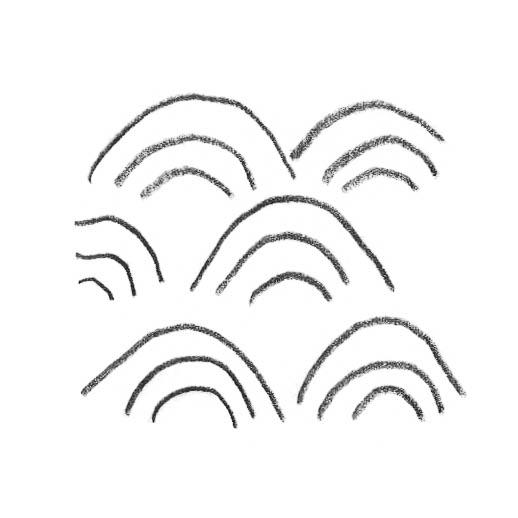

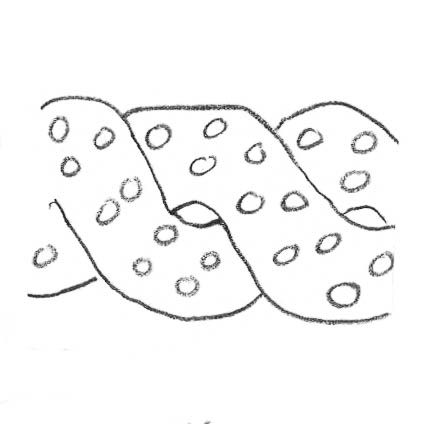
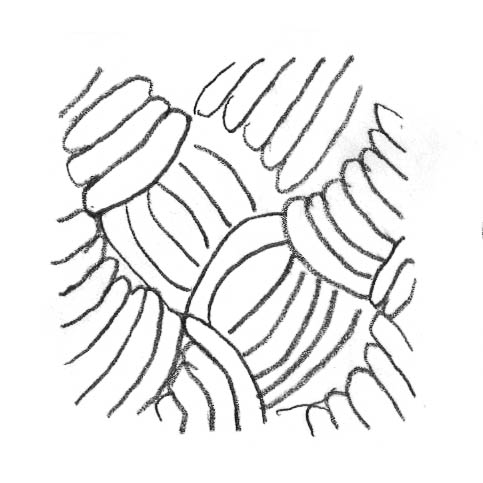

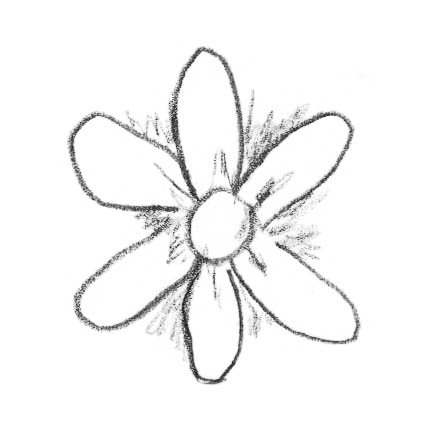

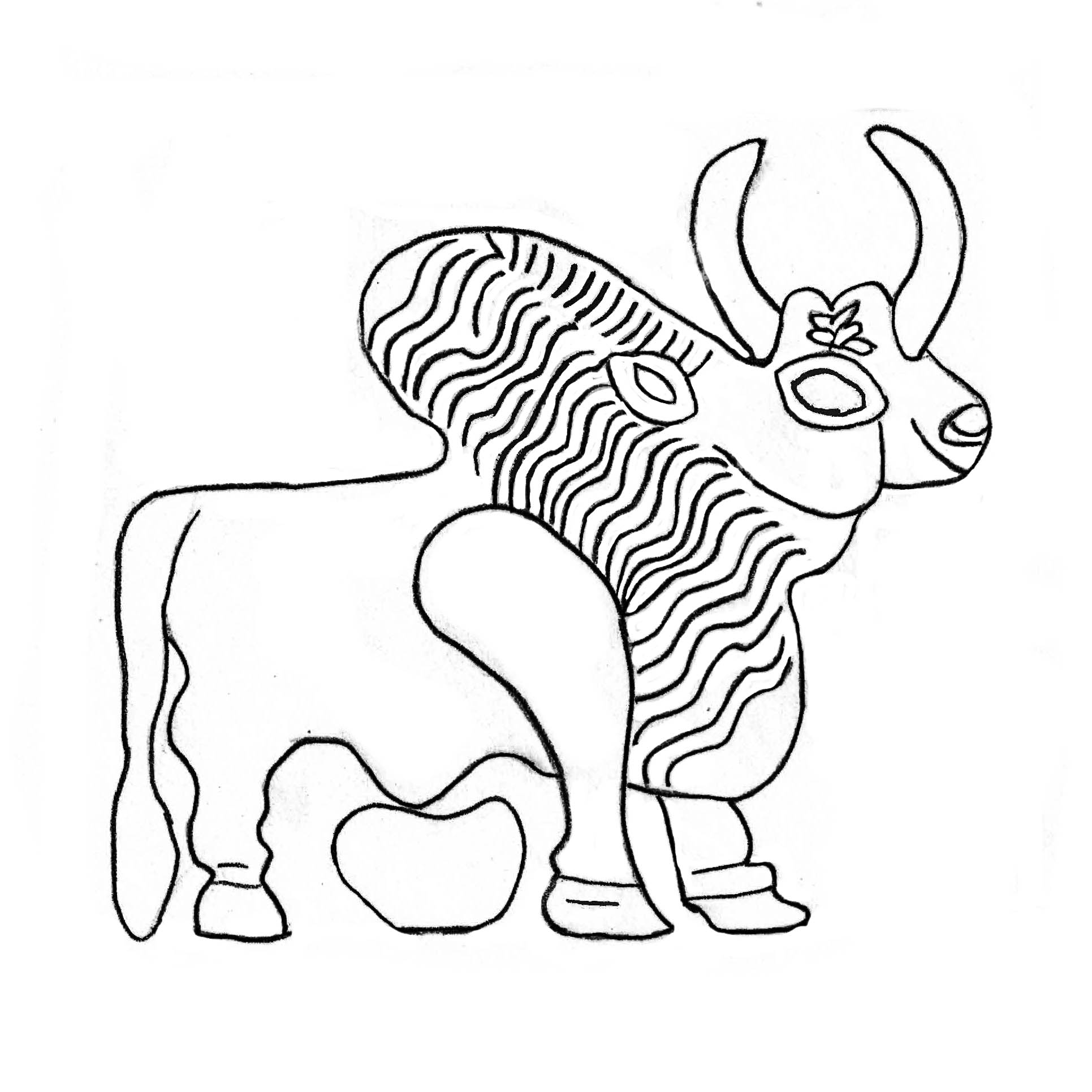


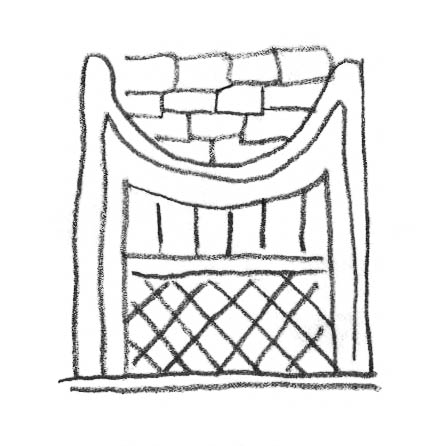
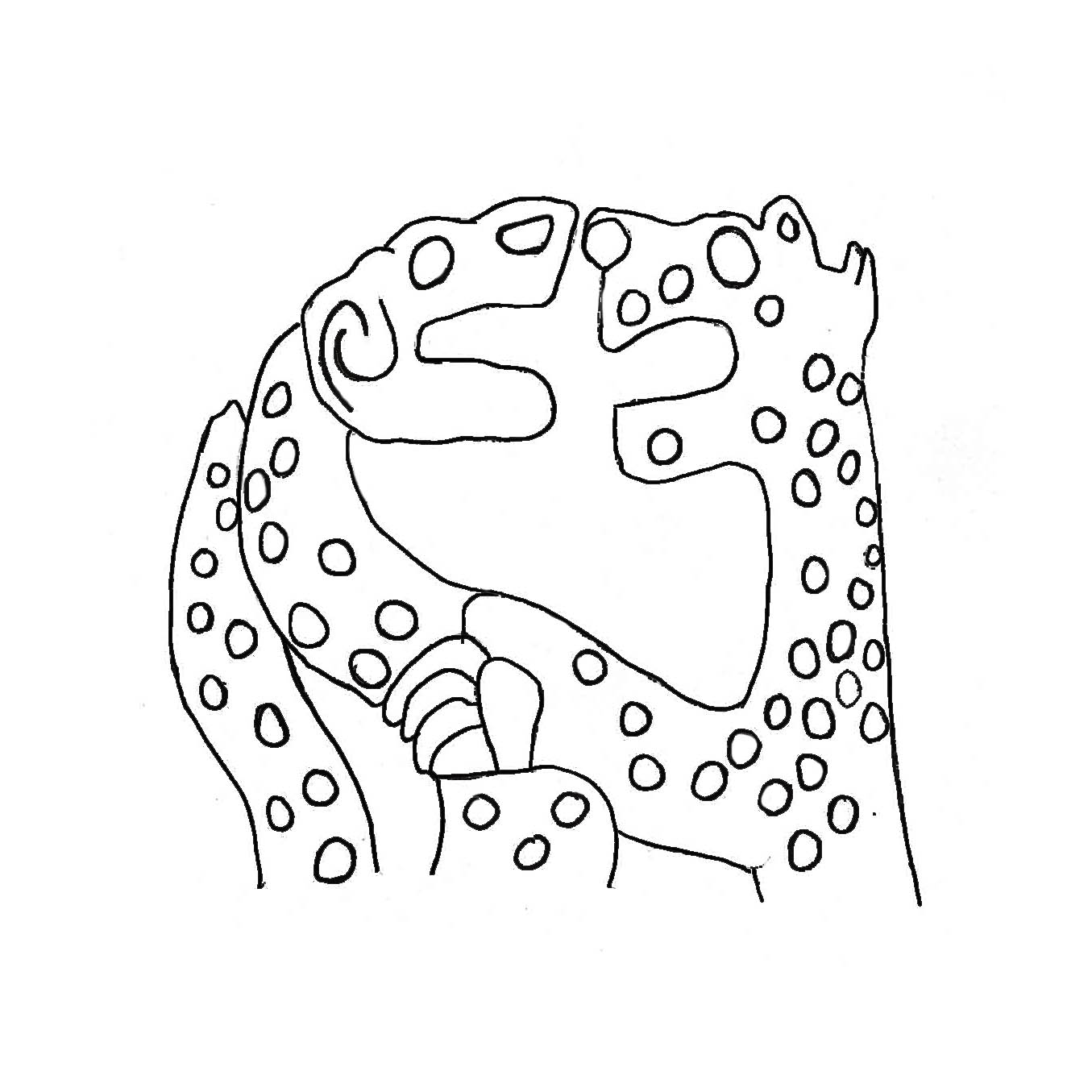
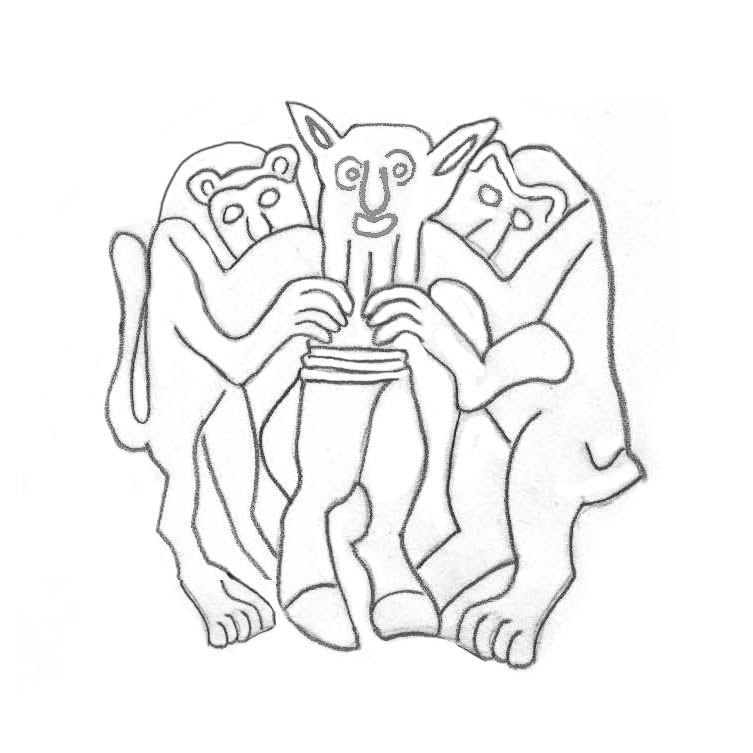
These motifs are the lexicon used to produce the Intercultural style chlorite vessels found in Iran, Mesopotamia, and the Persian Gulf.
The style of relief carving is reminiscent of the Warka Vase, but unlike it, the Intercultural Style does not divide the surface of the vessel into horizontal registers. The horror vacui (“fear of empty space”) displayed on Intercultural Style vessels is more akin to seals and vessels produced during the Jemdet Nasr. Some of the motifs are also reminiscent of Jemdet Nasr polychrome pottery, such as the “scorpion,” “rosette,” and “facade.”


These chlorite boxes were found in three major regions: Ur, Susa, and Jiroft. The three from Ur were found in the Royal Cemetery. Note the “double box” from Susa and the box from Khafajah carved with mythological motifs.


Two different styles of vases are evident. One is more imaginative, displaying people and mythological themes, while the other utilizes repetitive patterns.

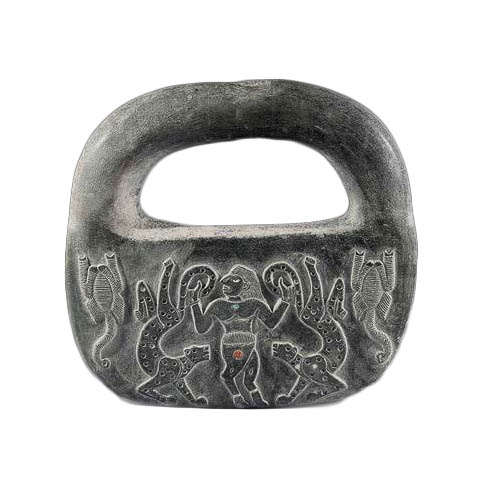


Various suggestions have been put forward to explain these curious objects. They seem to have functioned as some kind of amulet. They have been found as far afield as Uzbekhistan and Bactria in Central Asia, as well as in the Royal Cemetery of Ur.
Top center: Adapted from National Museum of Iran/Wikimedia CC BY-SA 4.0
Putting it Together
Chlorite vessels from the Diyala region were often carved with complex mythological motifs. In contrast, the vessels recovered from the Royal Tombs of Ur are decorated with simple geometric patterns. The distinctiveness of the vessels found in the Diyala suggest it may have functioned as an independent production center for chlorite vessels. If so, the stone carvers were nevertheless careful to maintain the “Intercultural style” that seems to have originated in south-central Iran. The following scenes are representative of carved chlorite found in the Diyala.

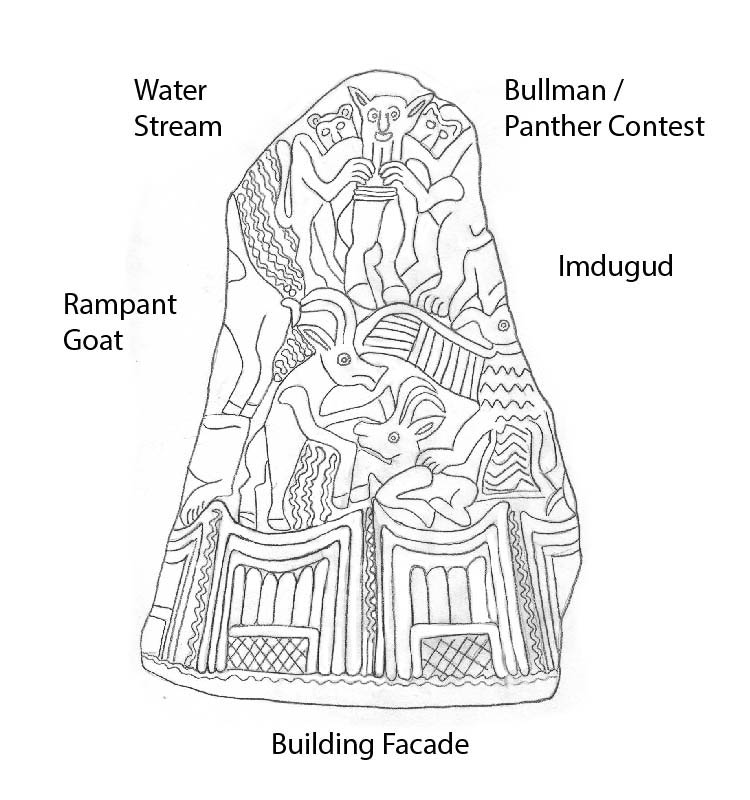
These vessels depicted here were found at Khafajah except for the one at bottom left which comes from Tell Agrab.