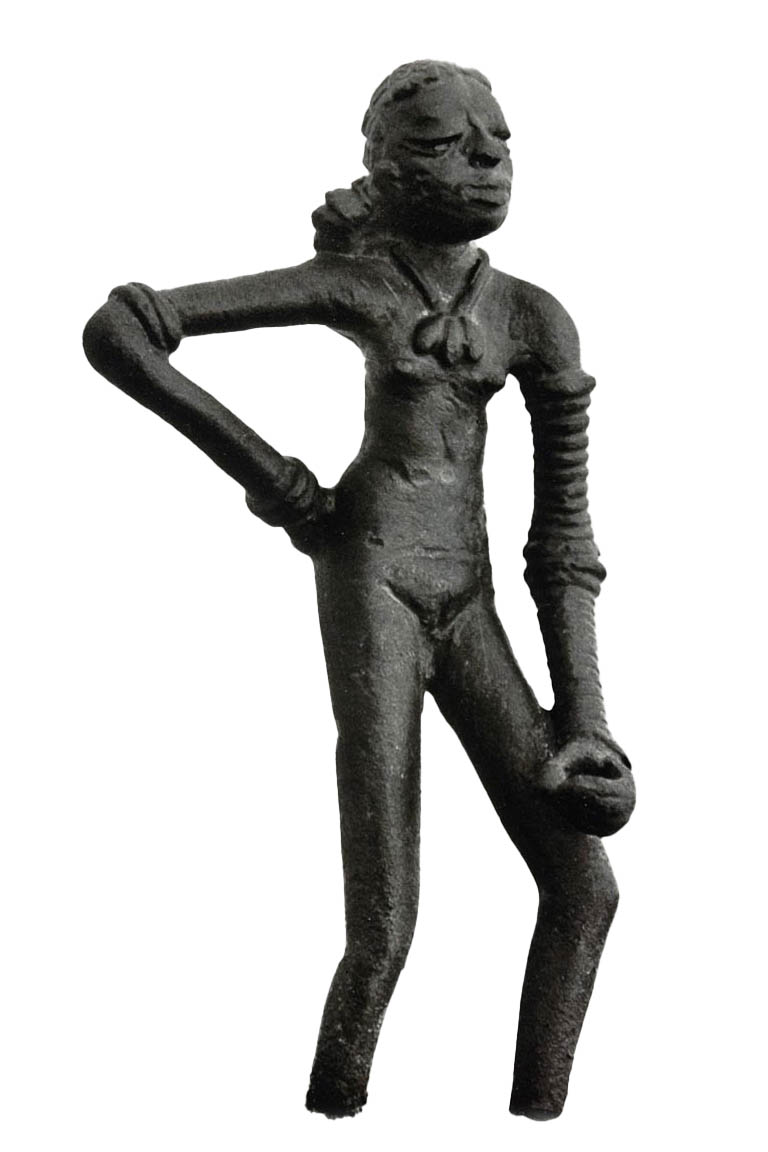

This bronze was found at Mohenjo-daro by the archaeologist, Ernest Mackay, in 1926. It is cast from bronze and stands approximately 4 inches tall.
One of the famous objects found at Mohenjo-daro is a bronze sculpture of a girl wearing no more than a necklace and by my count, 25 bangles on one arm and several more on the other. Her hair is done up in braids, which are treated with more detail than any other part of the sculpture. The sculpture has received lavish praise from some quarters. Thus Sir Mortimer Wheeler would write:
She’s about fifteen years old I should think, not more, but she stands there with bangles all the way up her arm and nothing else on. A girl perfectly, for the moment, perfectly confident of herself and the world. There’s nothing like her, I think, in the world.1Cited in Possehl 2002, 114
Other descriptions are slightly less profusive. Marshall describes the bronze casting as “a small figurine of rather rough workmanship” which nevertheless left the viewer with a “vivid impression.”2Possehl 2002, 114 The most noteworthy aspect of the sculpture is the lack of rigid formalism which tended to characterize ancient sculpture, and the use of the cire perdue method to cast it.
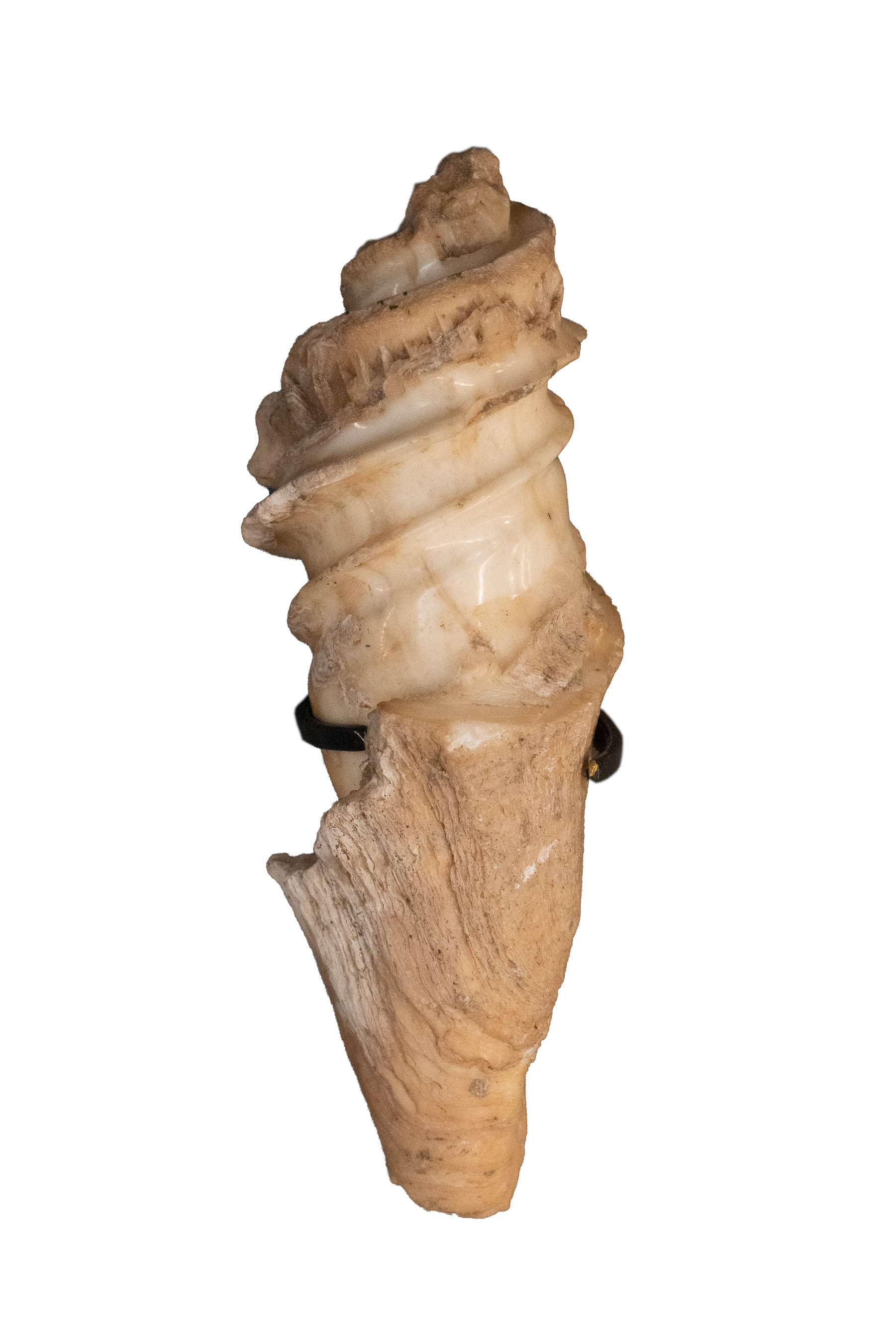
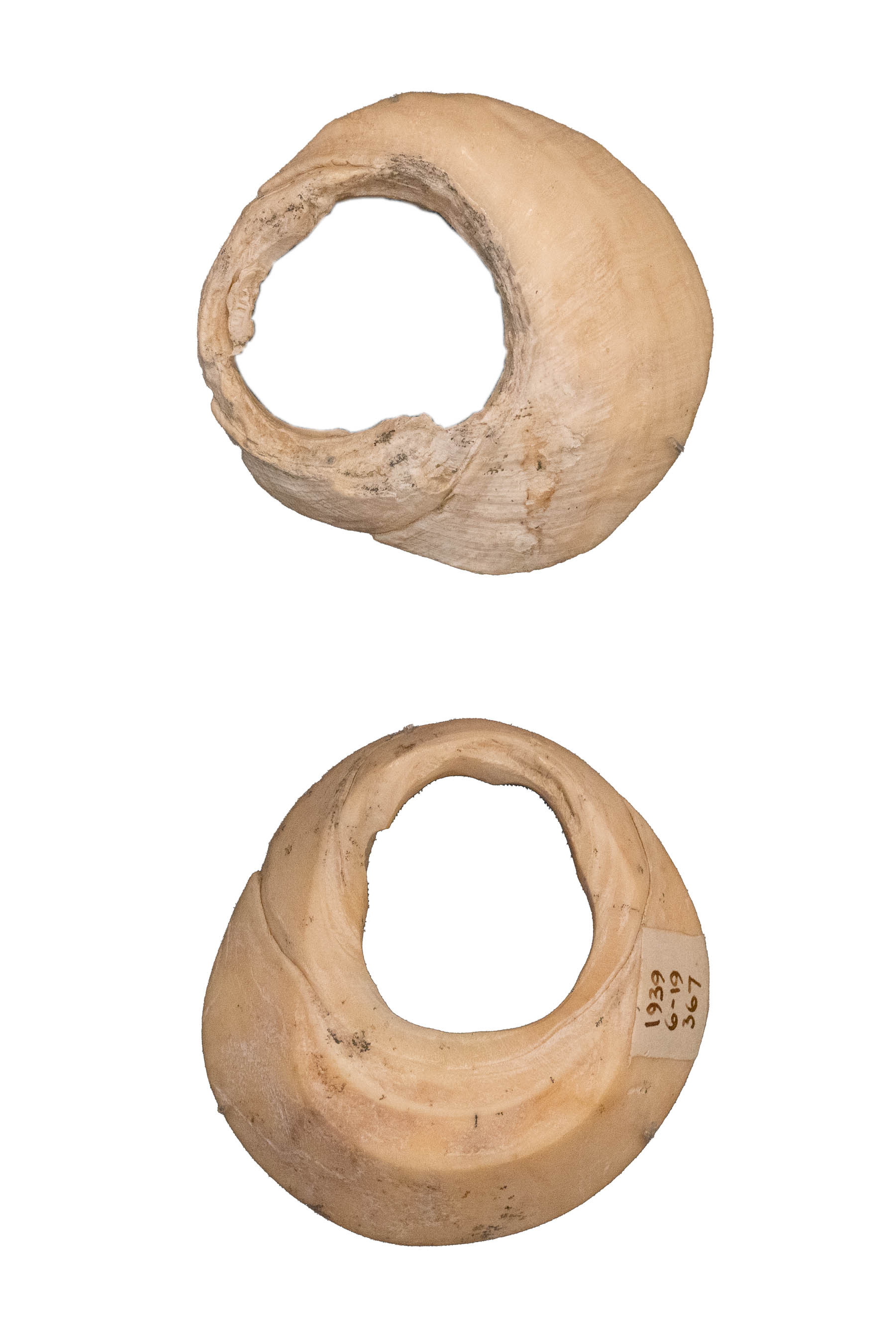
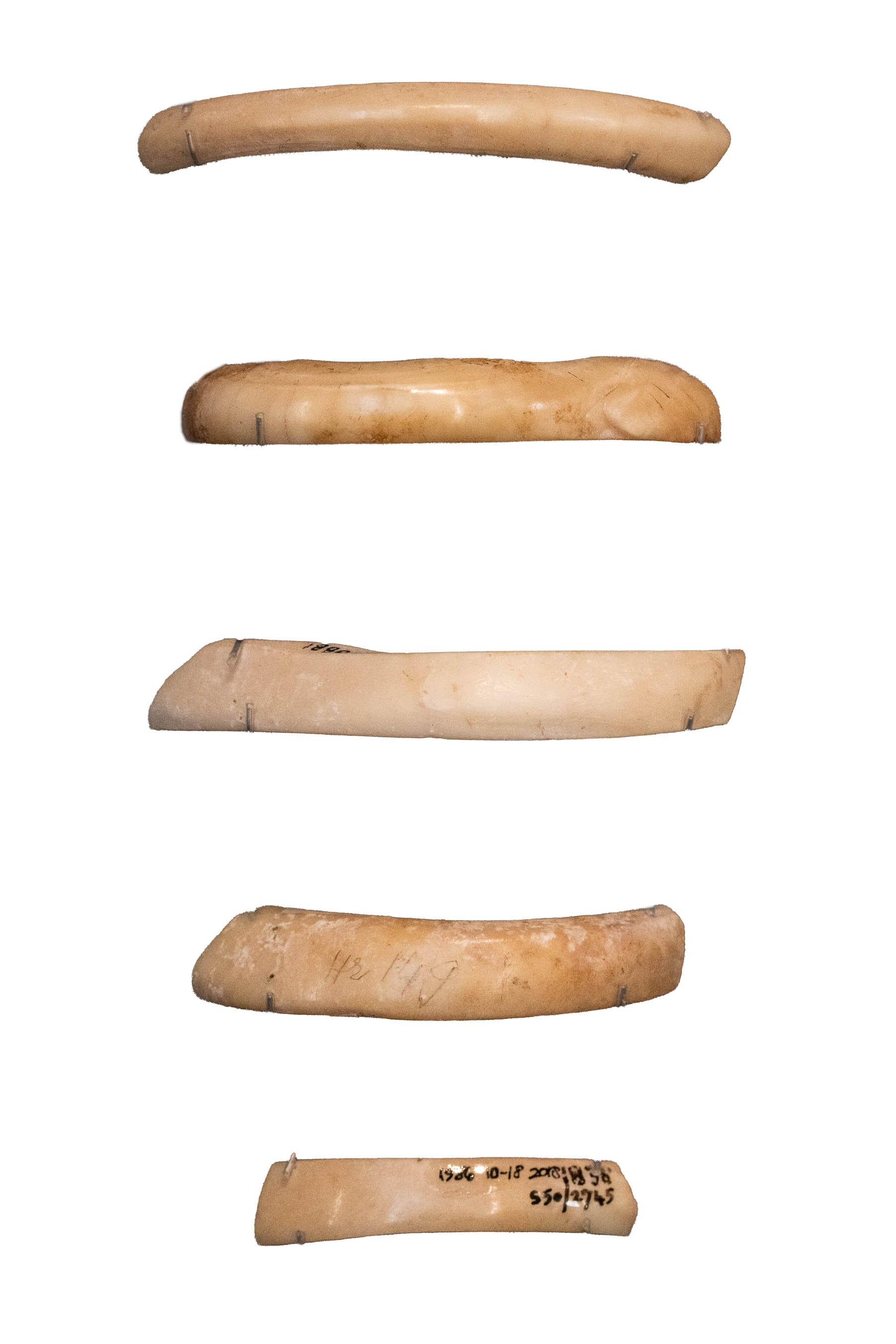
Slices of shell were cut from the core. These were ground to form bangles of a type worn by the dancing girl of Mohenjo-Daro.
The Pose
Other representations of dancing women have been found at Harappan sites, although not of the same quality. All of them strike the same pose, the meaning of which is unknown. They may, perhaps, be compared to the frequent appearance of “dancing women” on Egyptian painted vases of the Naqada period which are always shown with their arms arched over their heads.
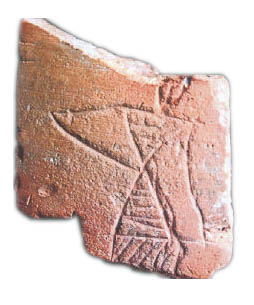

Other examples of the “dancing girl” which belong to the Harappan culture.
Possehl, Gregory.
The Indus Civilization : A Contemporary Perspective.
Walnut Creek, California: AltaMira Press, 2002.